
RS Switch EOL 2025
The point of using Lorem Ipsum is that it has a more-or-less normal distribution of letters, as opposed to using 'Content here, content here'
Masstron1
2/12/2026
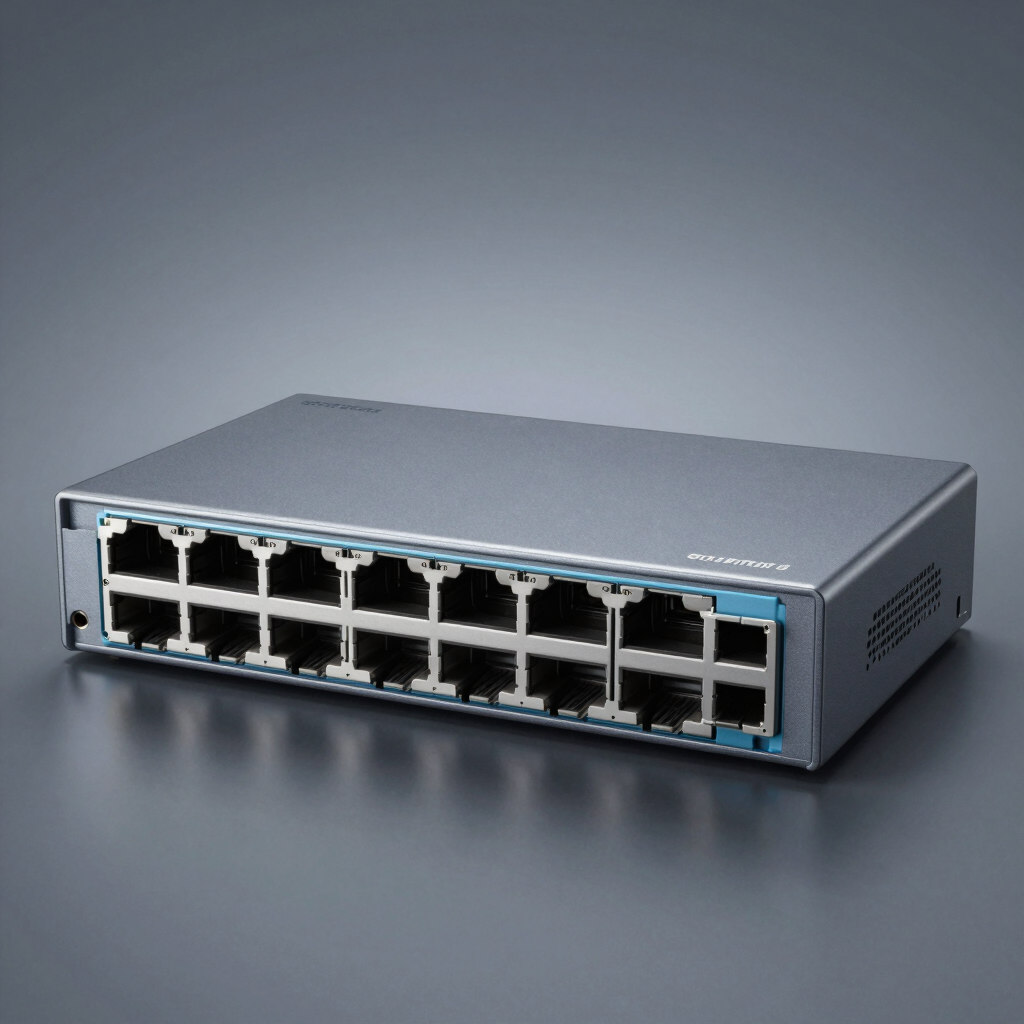
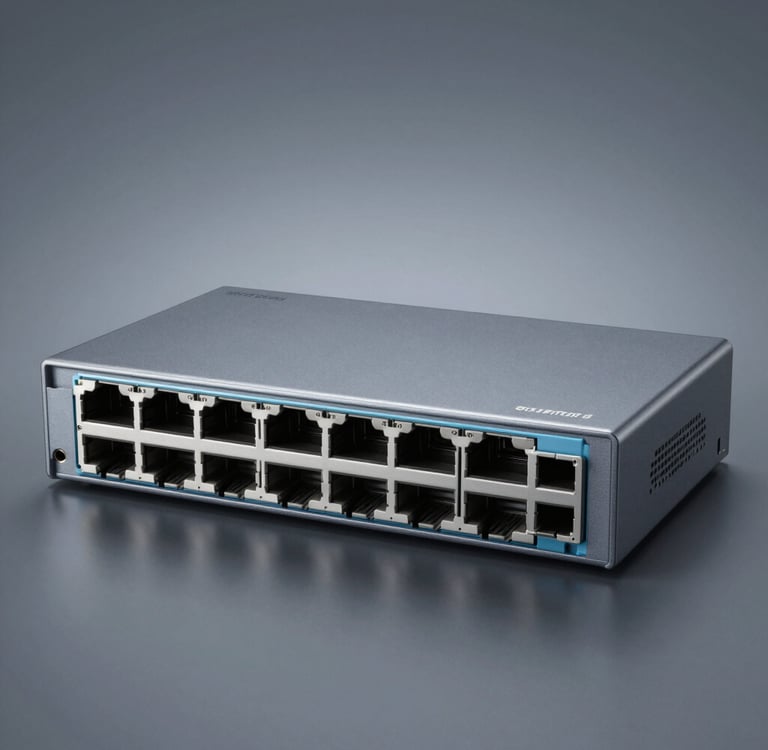
Industrial Networking Solutions for Modern Enterprises
Introduction
In today’s industrial and enterprise environments, reliable networking infrastructure is more critical than ever. From factory automation to corporate IT networks, organizations depend on secure, high-performance connectivity to maintain efficiency, reduce downtime, and enable data-driven decision-making. Industrial networking solutions — including switches, routers, firewalls, and management software — form the backbone of this ecosystem, ensuring that devices communicate seamlessly and securely across all operational layers.
The Role of Industrial Switches
Switches are the central nodes in industrial and enterprise networks. Unlike consumer-grade networking devices, industrial switches are designed to handle harsh operating conditions, including temperature extremes, vibration, and electrical noise. They provide deterministic, low-latency communication, which is vital in automated manufacturing lines, energy distribution systems, and critical control environments.
High-performance switches support Power over Ethernet (PoE), enabling devices like IP cameras, sensors, and access points to receive power and data over a single cable. They also allow for network segmentation, helping organizations maintain both performance and security.
Firewalls and Network Security
Connectivity is only effective if it is secure. Industrial networks are increasingly targeted by cyberattacks, which can lead to production halts, data breaches, and financial losses. Firewalls are a core element in network security, providing a barrier between trusted internal networks and external threats.
Modern industrial firewalls are designed to filter traffic, detect anomalies, and enforce policies without introducing significant latency. They can integrate with intrusion prevention systems (IPS), virtual private networks (VPNs), and monitoring platforms, enabling a comprehensive security posture.
Network Management and Monitoring
A well-designed industrial network requires active monitoring and management. Tools for network diagnostics, performance analytics, and configuration management allow IT and OT teams to proactively address bottlenecks, failures, or misconfigurations before they impact operations.
Network management platforms often include real-time dashboards, automated alerts, and reporting features, giving decision-makers insights into network health and trends. This is particularly important for organizations with multiple sites or distributed manufacturing facilities.
Scalability and Future-Proofing
Industrial networks are no longer static; they must adapt to evolving technology and increased data traffic. Scalability is critical to support new IoT devices, AI applications, and cloud connectivity. Using modular switches, flexible routing, and standardized protocols, organizations can expand their networks without costly redesigns.
Future-proofing also involves supporting higher-speed links, redundancy, and virtualization. A robust infrastructure allows companies to maintain operational continuity while integrating emerging technologies such as machine learning, predictive maintenance, and advanced analytics.
Conclusion
Industrial networking solutions are the backbone of modern enterprises, enabling secure, efficient, and scalable operations. By combining high-performance switches, advanced firewalls, and proactive management tools, organizations can ensure their networks meet the demands of today while preparing for the challenges of tomorrow. With proper planning and expertise, businesses can achieve reliable connectivity that drives productivity, safety, and innovation.
Leading provider of fiber optic and networking solutions for enterprise and industrial applications.
© 2026 Masstron Communication Solution, All rights reserved.


Product
Company
Solutions